
Discover
Stuff Library
Our curated material collection highlights sustainable, low-carbon, and healthy alternatives to conventional products. We believe better design—for people and planet—starts with better choices. We’re here to help you choose not just sustainable materials, but materials that truly matter.
Discover
Stuff Library
Our curated material collection highlights sustainable, low-carbon, and healthy alternatives to conventional products. We believe better design—for people and planet—starts with better choices. We’re here to help you choose not just sustainable materials, but materials that truly matter.
Discover
Stuff Library
Our curated material collection highlights sustainable, low-carbon, and healthy alternatives to conventional products. We believe better design—for people and planet—starts with better choices. We’re here to help you choose not just sustainable materials, but materials that truly matter.
Featured Collection: Hemp
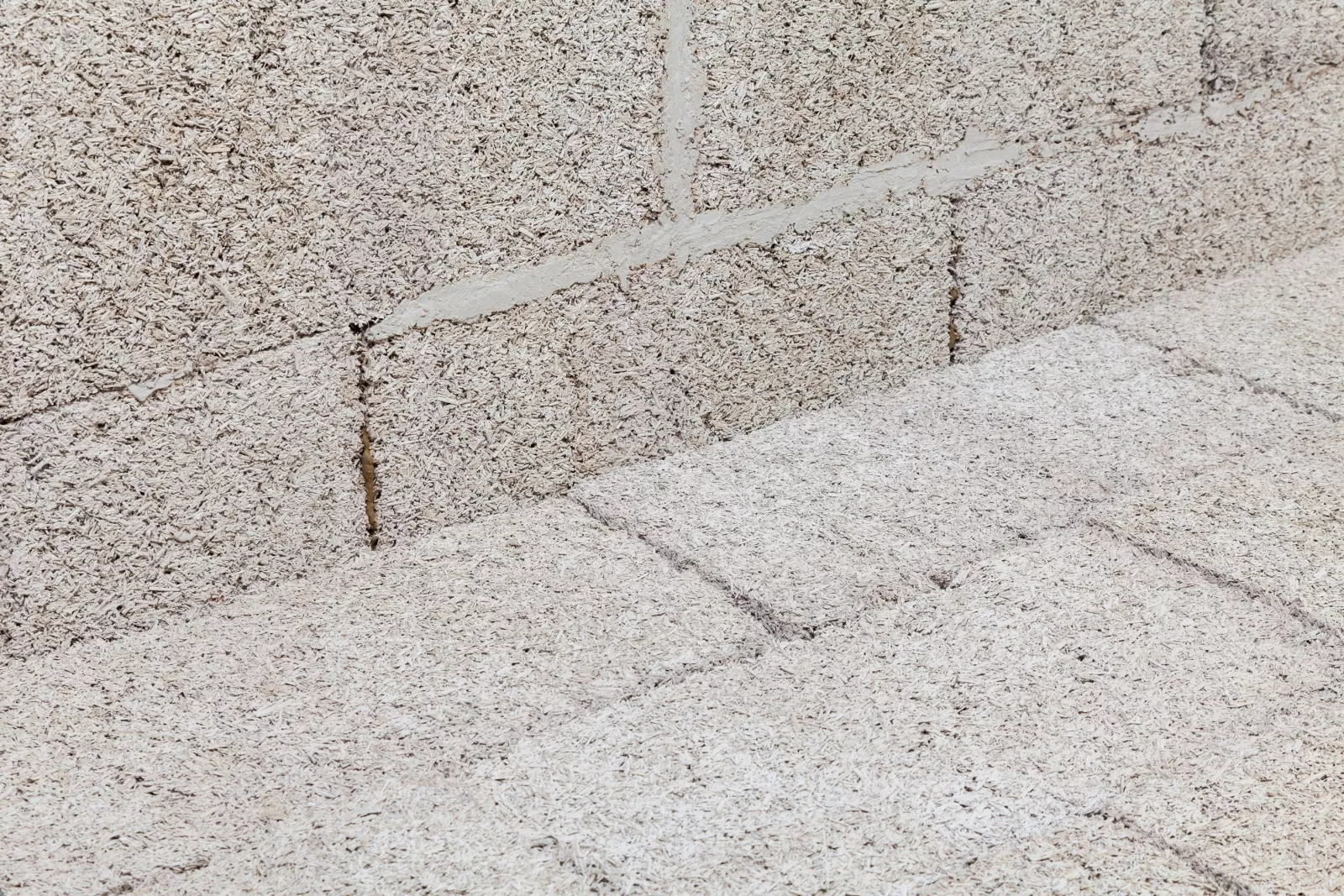
Insulated Blocks
Hemp
Insulated Blocks
Hemp
Insulated Blocks
Hemp

Textile
Hemp
Textile
Hemp
Textile
Hemp
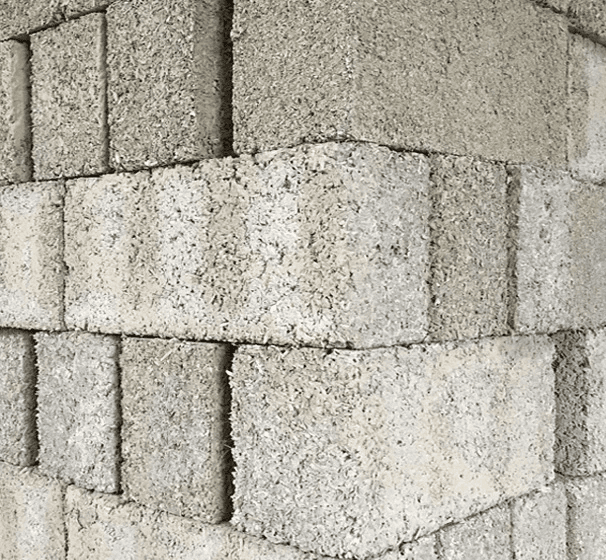
Insulated Blocks
Hemp
Insulated Blocks
Hemp
Insulated Blocks
Hemp
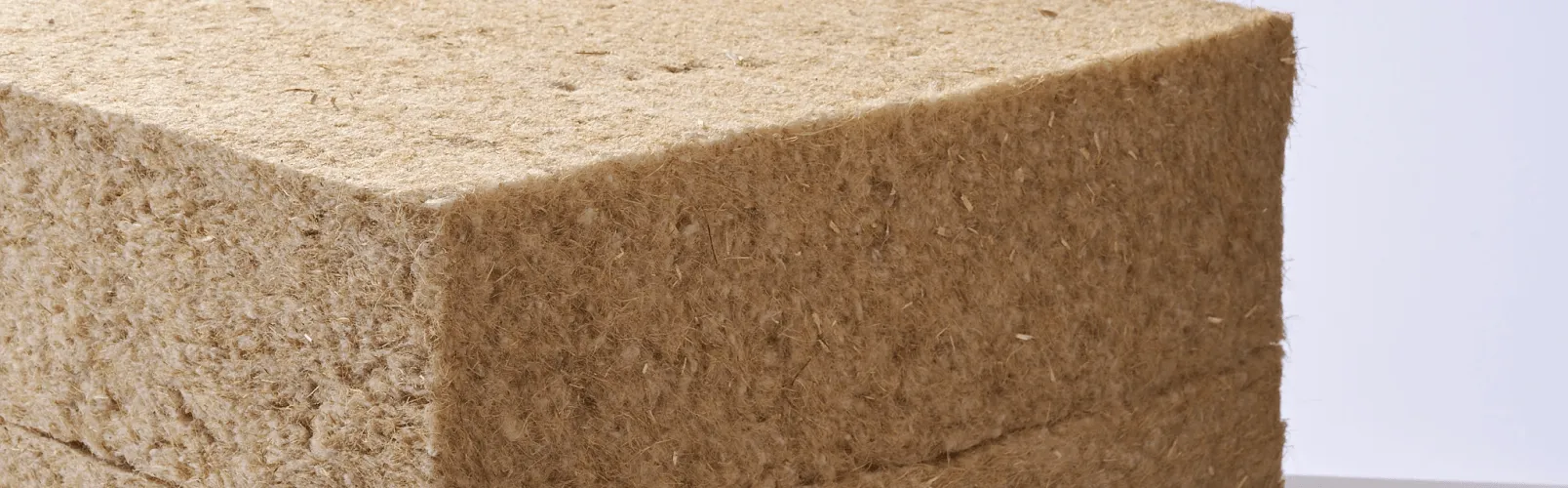
Insulation
Hemp
Insulation
Hemp
Insulation
Hemp
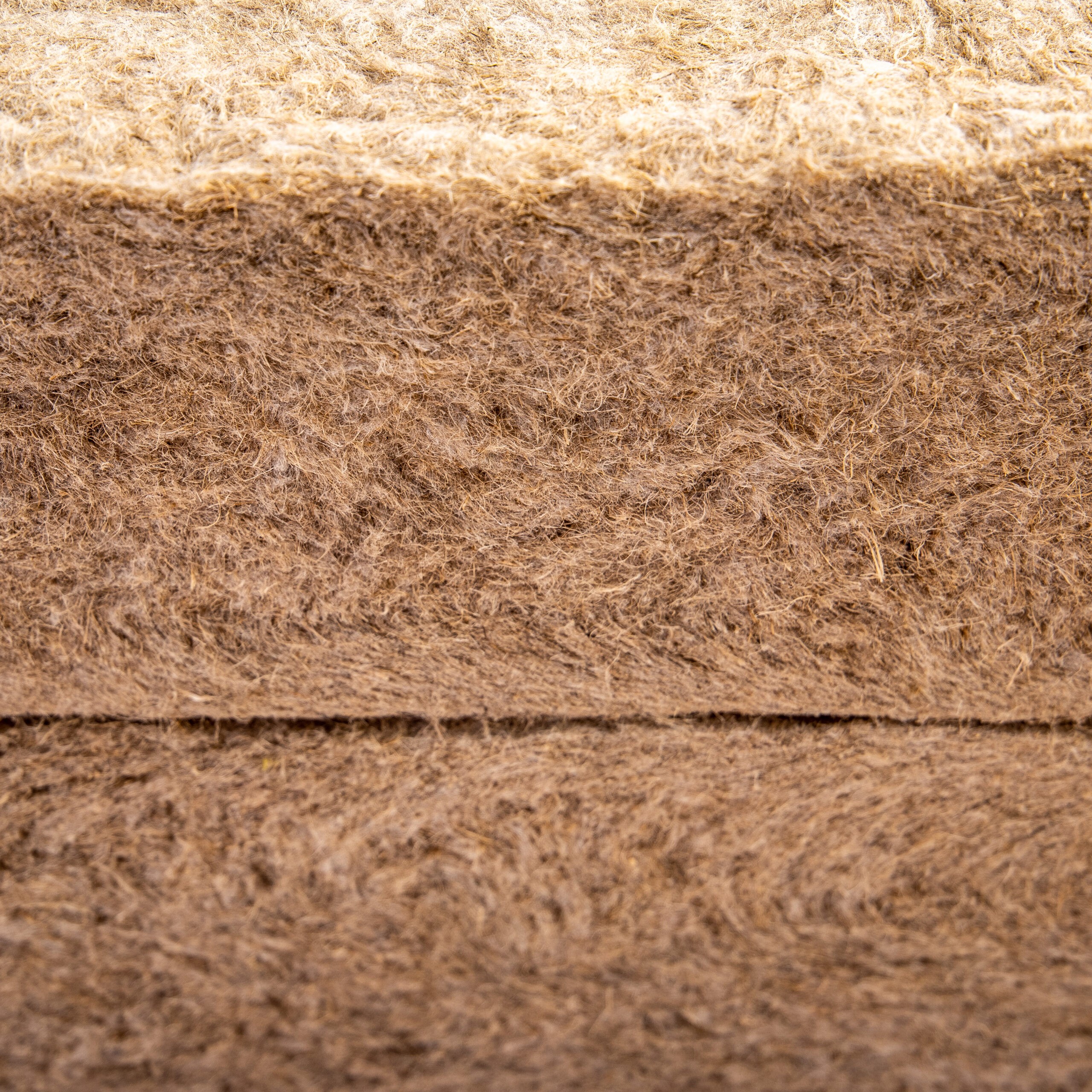
Insulation
Hemp
Insulation
Hemp
Insulation
Hemp

Insulation
Hemp
Insulation
Hemp
Insulation
Hemp


Wood
Flooring
Engineered Wood
Flooring
Engineered Wood
Flooring
Engineered Wood
Cladding
Wood
Cladding
Wood
Cladding
Wood
Flooring
Engineered Wood
Flooring
Engineered Wood
Flooring
Engineered Wood



FAQ
How we build this collection.
FAQ
How we build this collection.
What are the criteria for inclusion?
Every material is evaluated using our four-category criteria, adapted from global leading sustainability frameworks (LEED, EPDs, ASBP guidance). We look for products that are safe, low-impact, responsibly sourced, and designed for circularity. Our four core categories are: Embodied Carbon, Material Health, Responsible Sourcing,Circularity & End-of-Life.
Why are these criteria important?
It provide a simple framework to guide material selection process based on LEED rating system.
Why do you start with embodied carbon?
Embodied carbon reflects a material’s climate impact before it reaches a project site. We compare each product to benchmarks within its own material category to give fair, accurate scoring. Low-carbon or carbon-storing materials score highest. High-impact materials or those with no EPD score lower.
What methodology do you use for embodied carbon comparison?
Our embodied-carbon benchmarks are based primarily on verified EPDs sourced through platforms such as One Click LCA and supported by ASBP guidance. We use GWP-total for cradle-to-gate (A1–A3) in line with EN 15804+A2, ensuring that biogenic carbon uptake and storage in natural materials are properly accounted for. This approach aligns with the LCA-based requirements in LEED v4/v4.1, which prioritise transparent reporting of climate impacts. Where suitable EPDs are not available within a category, we apply secondary analogue benchmarks from comparable biobased materials with similar manufacturing characteristics. These remain consistent with the A1–A3 GWP-total method to preserve like-for-like comparability. The ICE Database is used only as contextual reference, as it does not fully reflect biogenic carbon flows or current EN 15804+A2 standards for natural materials.
What do you mean by Material Health?
This category highlights materials that support healthier, calmer, more sensory indoor spaces. We evaluate VOC emissions and assess any restricted chemicals used such as PFAS, PVC, halogenated flame retardants, formaldehyde, heavy metals.
Can I request that a material be added to the library?
Yes, makers, manufacturers, designers, and builders are welcome to nominate and submit materials for evaluation. We’ll review them using the same transparent criteria.
What happens after I reach out?
We’ll reply within a day or two to learn more about your project. If it’s a good fit, we’ll suggest a quick call to discuss scope, timeline, and next steps.
What are the criteria for inclusion?
Every material is evaluated using our four-category criteria, adapted from global leading sustainability frameworks (LEED, EPDs, ASBP guidance). We look for products that are safe, low-impact, responsibly sourced, and designed for circularity. Our four core categories are: Embodied Carbon, Material Health, Responsible Sourcing,Circularity & End-of-Life.
Why are these criteria important?
It provide a simple framework to guide material selection process based on LEED rating system.
Why do you start with embodied carbon?
Embodied carbon reflects a material’s climate impact before it reaches a project site. We compare each product to benchmarks within its own material category to give fair, accurate scoring. Low-carbon or carbon-storing materials score highest. High-impact materials or those with no EPD score lower.
What methodology do you use for embodied carbon comparison?
Our embodied-carbon benchmarks are based primarily on verified EPDs sourced through platforms such as One Click LCA and supported by ASBP guidance. We use GWP-total for cradle-to-gate (A1–A3) in line with EN 15804+A2, ensuring that biogenic carbon uptake and storage in natural materials are properly accounted for. This approach aligns with the LCA-based requirements in LEED v4/v4.1, which prioritise transparent reporting of climate impacts. Where suitable EPDs are not available within a category, we apply secondary analogue benchmarks from comparable biobased materials with similar manufacturing characteristics. These remain consistent with the A1–A3 GWP-total method to preserve like-for-like comparability. The ICE Database is used only as contextual reference, as it does not fully reflect biogenic carbon flows or current EN 15804+A2 standards for natural materials.
What do you mean by Material Health?
This category highlights materials that support healthier, calmer, more sensory indoor spaces. We evaluate VOC emissions and assess any restricted chemicals used such as PFAS, PVC, halogenated flame retardants, formaldehyde, heavy metals.
Can I request that a material be added to the library?
Yes, makers, manufacturers, designers, and builders are welcome to nominate and submit materials for evaluation. We’ll review them using the same transparent criteria.
What happens after I reach out?
We’ll reply within a day or two to learn more about your project. If it’s a good fit, we’ll suggest a quick call to discuss scope, timeline, and next steps.
For designers
Speak with us
We help you curate project-specific material solutions and palettes, compare low-carbon or bio-based alternatives, evaluate technical and sensory performance align selections with LEED or other certifications. We support concept development with story-led, human-focused material choices
For manufacturers
Submit your material
Join our curated library and share your material story with our design community.

Better stuff. Better design. Better future.
Copyright © 2025 BuildBetterStuff.
All rights reserved.
Better stuff. Better design. Better future.
Copyright © 2025 BuildBetterStuff.
All rights reserved.